
work visa europe is one of the most searched phrases among professionals who want to build a career in the European market, but it is also one of the most misunderstood. Europe does not operate through one universal work visa. A software engineer in Germany, a healthcare professional in the Netherlands, a finance specialist in Spain and a corporate manager transferring within a multinational group may all need different legal routes, different documents and different employer responsibilities. The right decision starts with legal clarity, not with a generic application checklist.
For international professionals and families, a work route is more than permission to take a job. It can affect family relocation, schooling, health insurance, tax exposure, employer dependency, renewal options and future residence planning. That is why a strong application strategy should compare the job offer, salary level, qualification requirements, employer compliance and long-term mobility goals before choosing a country or permit type.
What Is a Work Visa in Europe?
A European work visa usually refers to a national visa or residence permit that allows a non-EU national to work legally in a specific European country. The important point is that the permit is normally issued by the country where the person will work, not by “Europe” as one single authority. The Your Europe work permits page explains that EU citizens generally do not need a work permit to work in another EU country, while non-EU nationals are subject to national and EU-level rules depending on their status and destination country.


Is There a Single Europe Work Visa?
There is no single work visa that allows a non-EU national to work freely across all European countries. Some EU frameworks create common principles, and the Blue Card is the best-known example for highly qualified professionals, but the issuing country still matters. Salary thresholds, qualification recognition, application documents and employer obligations are handled through national rules. Even the European Commission’s EU Blue Card guidance states that only EU Member States can issue the card and that applicants must meet qualification, employment contract and salary requirements in the Member State concerned.
This is why a professional should avoid choosing a destination only because the job title is in demand. The same profile may be strong for one country, weak for another and unsuitable for a third if the salary threshold, regulated profession rules or employer sponsorship requirements are not met.
Main Work Visa Routes in Europe
National Employment Visa
A national employment visa is the standard route for many applicants with a confirmed job offer. It usually depends on a formal employment contract, employer documents, proof of qualifications, health insurance and sometimes prior approval from a labour or migration authority. This route is country-specific and should be assessed against the employer’s ability to support the application.
EU Blue Card
The EU Blue Card is designed for highly qualified non-EU professionals. According to the EU Immigration Portal Blue Card, it gives highly qualified workers the opportunity to live and work in an EU Member State if they hold the required professional qualifications or skills, a qualifying employment contract or binding job offer and a salary meeting the relevant threshold. It is one of the most strategic routes for skilled professionals, but it is not the right fit for entrepreneurs, freelancers or remote workers without local employment.
Skilled Worker or Qualified Professional Route
Several countries offer routes for qualified professionals outside the EU Blue Card framework. Germany is a clear example. Make it in Germany states that applicants for the work visa for qualified professionals generally need a specific job offer and an academic or vocational qualification that enables them to perform the job. For regulated professions, a licence to practise may also be required.
Seasonal or Temporary Work Permit
Some European countries issue seasonal or temporary work permits for sectors such as hospitality, agriculture, tourism or construction. These routes may help with short-term labour needs, but they are not always suitable for long-term family residence planning. Duration, renewal and rights for accompanying family members should be reviewed carefully.
Intra-Company Transfer
Intra-company transfer routes can apply when a manager, specialist or trainee moves from a non-EU entity to a related European branch or subsidiary. This is often a corporate immigration route rather than a standard employment visa, so company structure, role description and payroll setup become central to the application.
Route | Best suited for | Key legal point |
National Employment Visa | Professionals with a local job offer | Country-specific employer and permit rules |
EU Blue Card | Highly qualified employees | Qualification, job offer and salary threshold |
Skilled Worker Route | Qualified professionals in shortage or skilled roles | Recognition and role fit may be required |
Seasonal Work Permit | Temporary sector-based workers | Usually limited duration and narrower rights |
Intra-Company Transfer | Managers and specialists in multinational groups | Requires qualifying corporate relationship and role |
Work Visa Europe Requirements
Valid Job Offer or Employment Contract
For many employment-based routes, the strongest document is a clear job offer or signed employment contract from a qualified employer in the destination country. The offer should normally specify role, salary, duration, working hours, location and employer details. Informal promises or recruitment conversations are rarely enough for an employment visa Europe application.
Recognized Qualification or Professional Experience
Qualification recognition is one of the most important legal filters. Academic degrees, vocational training, professional licenses and regulated profession approvals may all matter. For example, German guidance explains that foreign qualifications may need recognition, especially in regulated professions or when the visa route requires a qualification comparable to German standards.
Salary Threshold and Labour Market Rules
Salary rules are not the same across Europe. EU Blue Card and skilled employment routes often rely on country-specific thresholds, while national permits may compare the salary with collective agreements, market standards or minimum legal requirements. The safest approach is to verify the current salary threshold for the exact country, year and occupation before filing.
Employer Sponsorship and Compliance
The employer’s credibility matters. Authorities may review whether the company is active, whether the role is genuine, whether the salary can be paid and whether the employment conditions meet national labour standards. If the permit depends on one employer, the applicant should also understand what happens if the job ends or changes.
Health Insurance, Accommodation and Background Checks
Most applications also require a valid passport, health insurance, proof of accommodation, application forms, biometric data, clean criminal record documents and translated or legalised certificates. Requirements differ by country, but incomplete documents remain one of the easiest ways to delay a case.
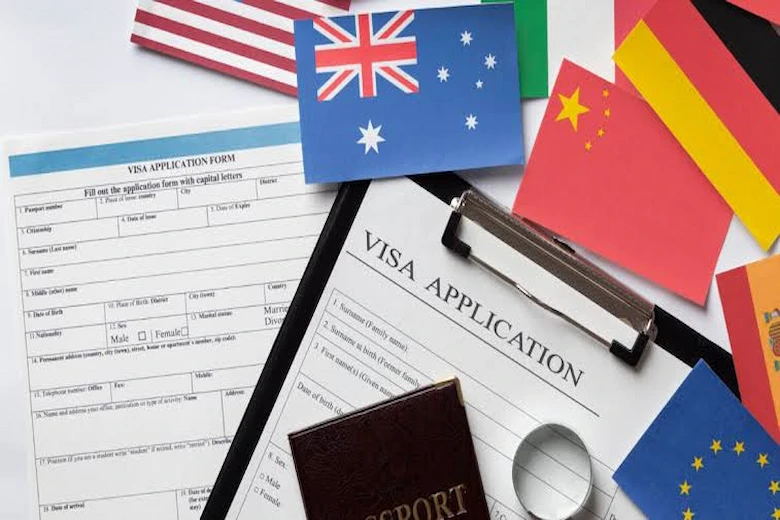

Europe Work Visa Price and Real Costs
The phrase europe work visa price can be misleading because the government visa fee is only one part of the real cost. A family or skilled professional should also budget for translation, legalisation, qualification recognition, professional licensing, relocation, temporary housing, insurance, schooling and legal support. The total cost can vary significantly depending on the country, the permit route and whether family members are included.
Cost category | What it may include | Planning note |
Official fees | Visa, residence card, biometric or permit fees | Check national authority fees |
Document costs | Translation, apostille, legalisation, certificates | Often higher for family applications |
Qualification costs | Recognition, licensing, professional registration | Critical for regulated professions |
Relocation costs | Housing, insurance, travel, school planning | Can exceed the visa fee itself |
Advisory costs | Legal, tax, employer compliance support | Useful for complex cases |
Work Visa Europe for Families
For families, a work visa is not only a career decision. It affects the spouse’s residence rights, children’s education, healthcare access, housing, tax residence and long-term stability. Some employment routes allow family members to join and may provide access to local schooling and healthcare systems, but details depend on the issuing country and permit category. Families should compare work-based options with broader European Residency routes before choosing a destination.
A work route can be powerful when the employer is stable and the applicant’s skills are in demand. It may be less suitable when the family wants independence from one employer or when the applicant’s income, remote work arrangement or business activity would fit better under a Digital Nomad Visa, Entrepreneur Visa or D7 Visa strategy.
Common Mistakes in European Work Visa Planning
- Thinking a Schengen Visa Allows Work
- Applying Without a Real Job Offer
- Ignoring Qualification Recognition
- Comparing Countries Only by Salary
Final Words
work visa europe is a useful search term, but it does not describe one universal legal route. The right pathway depends on the destination country, job offer, qualification profile, salary threshold, employer compliance, family situation and long-term residence goal. A professional who qualifies for a strong employment permit may gain an efficient path into Europe, while another applicant may be better served by a business, remote work, investment or income-based residence route.
Before choosing a European residency route or property-backed program, request a structured review through Nobility Residency’s Residency-Linked Investment Advisory and European Residency & Golden Visa Advisory. A better residency decision begins with the right questions before the investment is made.