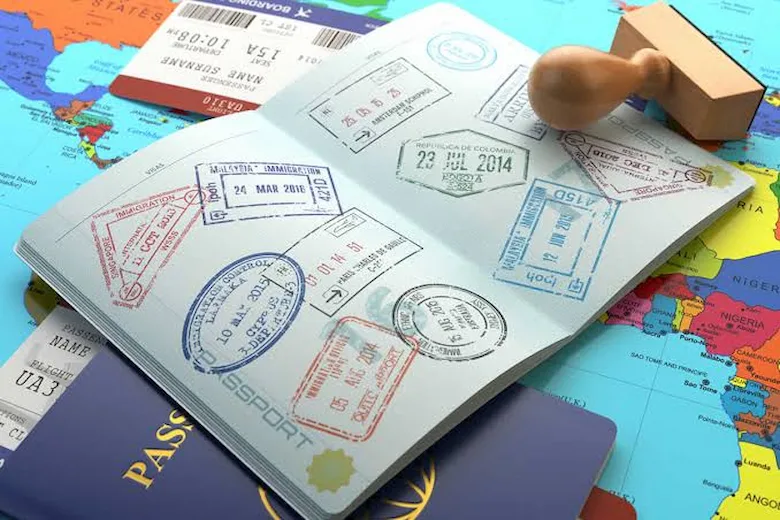
Digital nomad visa planning is no longer only about lifestyle, beaches and remote work freedom. For non-EU professionals, founders and families, it is a legal residence decision that depends on stable foreign income, documented employment or freelance activity, health insurance, clean background records and country-specific income thresholds. The right route can support European lifestyle and long-term mobility, but the wrong country choice can create tax exposure, family-planning problems or a residence structure that does not match the applicant’s real income profile.
For Nobility Residency clients, a digital nomad visa should be reviewed with the same discipline as European Residency, Second Residency or Residency and wealth planning. A remote worker may qualify on income alone, but a family needs a broader review: where the income comes from, whether dependents can be included, how much additional income is required, how health insurance works and whether the route creates a practical European base rather than a temporary lifestyle experiment.
What Is a Digital Nomad Visa?
A digital nomad visa is a residence route for people who work remotely for an employer, clients or a business located outside the country where they want to live. It is different from a tourist visa because it is designed for legal residence beyond ordinary short stays. It is also different from a local work permit because the applicant usually cannot rely on employment in the host country. This distinction matters because the application is built around foreign income, proof of remote activity and financial independence from the local labour market.
From a European planning perspective, a digital nomad visa often sits between lifestyle migration and professional mobility. It can be a strong option for founders, consultants, senior remote employees and online business owners, while a Blue Card may be more suitable for highly qualified professionals with a local EU job offer. The EU Immigration Portal explains that non-EU nationals looking to move to the European Union for work, study or family purposes need to understand the correct legal route for stays longer than 90 days.

Digital Nomad Visa Requirements
Digital nomad visa requirements vary by country, but most European routes ask for the same core evidence: a valid passport, remote employment contract or freelance agreements, proof that income comes from outside the destination country, bank statements, private health insurance, clean criminal record, accommodation evidence and translated or legalized documents where required. The most important requirement is usually income stability, because governments want to see that the applicant can live legally without taking local employment or relying on public support.
In practice, a remote work visa application should be prepared like a financial and legal file, not only a travel file. A strong applicant should be able to explain who pays them, where the company or clients are based, how long the income has been received, whether the contract is ongoing and whether the amount meets the country’s threshold. For families, the file should also explain the spouse and children, added financial requirements, school planning and health coverage before the application is submitted.
Digital Nomad Visa Income Requirements in Europe
A digital nomad visa becomes serious when the income threshold is calculated correctly. The table below uses official or highly reliable sources where available, but every figure should still be checked with the relevant consulate at the time of application because minimum wages, administrative practice and documentation standards can change. The key point for applicants is that “remote income” must usually be stable, provable and connected to work performed for foreign employers or clients, not casual savings or unsupported online activity.
Country | Income rule | 2026 estimate / stated amount | Family or legal notes |
Greece | Minimum monthly income | €3,500/month | +20% for spouse or partner and +15% for each child; remote work must be for foreign employer or clients. |
Spain | 200% of Spanish SMI | €34,188/year or about €2,849/month on a 12-month basis | First family member adds 75% of SMI; each additional family member adds 25% of SMI. |
Portugal D8 | 4x Portuguese minimum wage | €3,680/month based on 2026 minimum wage of €920 | Income is normally assessed from recent months and should come from remote work outside Portugal. |
Italy | At least 3x healthcare-exemption income level | €24,789/year stated by official migration guidance | Highly qualified work, health insurance and professional experience evidence are also important. |
Greece Digital Nomad Visa Income Requirement
A digital nomad visa for Greece is often attractive because it combines Mediterranean lifestyle with clear income expectations. Reliable immigration guidance reports a threshold of €3,500 per month for the main applicant, with the required amount increasing by 20% for a spouse or partner and 15% for each child. That means a couple would need around €4,200 per month, while a couple with one child would need around €4,725 per month. Applicants should also show that their work is performed remotely for employers or clients outside Greece. Source: Fragomen Greece remote worker guidance.
Spain Digital Nomad Visa Income Requirement
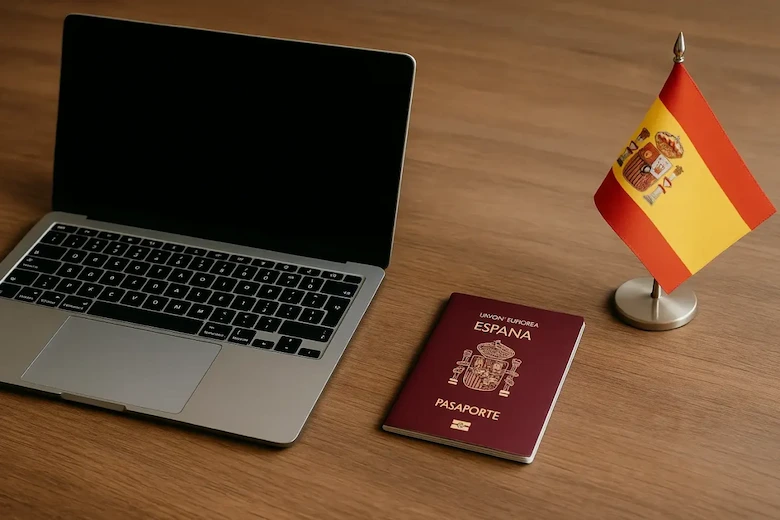
A digital nomad visa for Spain uses an official income formula rather than a single fixed euro amount. The Spanish consular page states that financial means must be at least 200% of the monthly Spanish national minimum wage, with an additional 75% for the first family member and 25% for each additional applicant. Spain’s 2026 official minimum wage is €1,221 per month in 14 payments, which equals €17,094 per year. This makes the main-applicant threshold €34,188 per year, or about €2,849 per month when divided across 12 months. Sources: Spanish Consulate Digital Nomad Visa and BOE 2026 SMI decree.
Portugal D8 Digital Nomad Visa Income Requirement
A digital nomad visa for Portugal is commonly known as the D8 route and is based on remote professional activity carried out for entities outside Portugal. Portuguese government guidance explains that digital nomad applicants must demonstrate average monthly income over the previous three months of at least four minimum wages. The Portuguese government set the 2026 minimum wage at €920 per month, which makes the D8 income threshold approximately €3,680 per month. This is why Portugal can be attractive, but not always the lowest-threshold option for remote professionals comparing Europe. Sources: gov.pt digital nomad rule and Portugal 2026 minimum wage.
Italy Digital Nomad and Remote Worker Income Requirement
A digital nomad visa for Italy is more qualification-driven than some other routes. Official Italian migration guidance explains that the permit is for highly qualified foreign workers entering as digital nomads or remote workers, with a residence permit generally lasting one year and renewable if the conditions continue. The same guidance states that the minimum annual income is not less than three times the healthcare-exemption income level, currently resulting in €24,789 per year for an applicant without spouse or children. Health insurance and proof of highly qualified work are also central to the file.
European Digital Nomad Visas and Lifestyle Planning
European digital nomad visas can support a more structured lifestyle in Europe, but they should not be treated as a long holiday. The applicant is choosing a country where they may live, work remotely, rent or buy a home, register with local authorities and possibly bring family members. For some clients, this is the first step toward European Residency for Families, education planning and long-term European access. The lifestyle appeal is real, but the legal and financial structure must be reviewed first.
A digital nomad visa can be especially attractive when the remote professional already has stable income from outside Europe and wants to experience a country before making a larger commitment. Spain, Greece, Portugal and Italy offer different combinations of climate, infrastructure, language, family inclusion and administrative complexity. The best digital nomad visas are therefore not the ones with the most attractive social media image; they are the ones that match the applicant’s income, family, work structure and future plans.
Market Intelligence: Why the Cheapest Option Is Not Always the Best
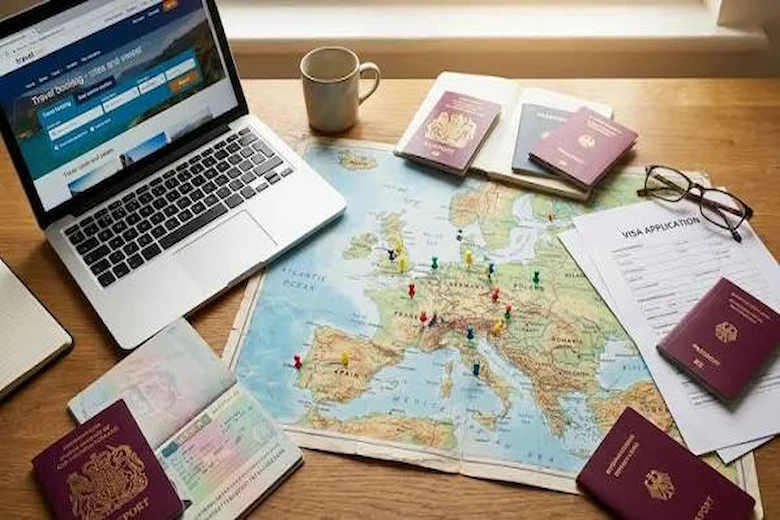
A digital nomad visa decision should be supported by market intelligence because income thresholds alone do not show affordability. A €3,500 monthly threshold in one country may feel comfortable in a smaller city but restrictive in a prime capital area, especially with private school fees, family health insurance, rent deposits and tax advisory costs. This is where Residency and wealth planning becomes relevant: the family should understand whether the route protects flexibility or creates new financial pressure.
For applicants who want to Protect Wealth, the digital nomad route should be examined alongside cost of living, currency exposure, tax residence rules and long-term mobility. A lower application threshold can be misleading if the destination creates higher annual costs or tax complexity. A higher threshold can still be reasonable if the country offers quality infrastructure, family suitability and legal certainty. The correct comparison is not cheapest country versus most beautiful country, but income fit versus total lifestyle and compliance cost.
Digital Nomad Visa for Families
A digital nomad visa for families requires more planning than an individual remote work application. The family must show not only that the main applicant can support themselves, but also that dependents can be included under the country’s rules. Spain adds 75% of the national minimum wage for the first family member and 25% for each additional applicant. Greece uses a 20% increase for a spouse or partner and 15% per child. These additions can change the practical affordability of a route.
Family planning should also consider schools, healthcare, rental contracts, tax residence and the difference between a remote work route and Family Reunification. A digital nomad applicant may bring dependents under one framework, while family reunification is usually for situations where one family member already has legal residence. For parents, the right country should be chosen not only because the applicant qualifies financially, but because the family can actually live there with continuity, legal confidence and a realistic budget.
Digital Nomad Visa vs Other European Residency Routes
A digital nomad visa is not always the best European route. If the applicant has a local EU job offer, a Blue Card or another skilled professional permit may be stronger. If the applicant has investment capital rather than remote work income, an Investment Visa or property-backed route may be more suitable. If the applicant wants a Greek base through real assets, Greece Residency or Greece Golden Visa may deserve separate review. The correct route depends on income source, family structure and long-term purpose.
This comparison is where many applicants should slow down and avoid route confusion. A digital nomad visa is based on remote work income and foreign employment or clients. Investment-based residence is based on eligible capital or assets. Skilled professional mobility is based on employment and qualifications. Family-based residence is based on relationship and legal residence status. A poor route choice can become one of the European Residency Mistakes families later have to fix.
Best Digital Nomad Visas: What Makes a Route Strong?
The best digital nomad visas are not simply the most famous routes. A strong route has clear income requirements, a legal right to work remotely for foreign employers or clients, family inclusion where needed, predictable renewal rules, reasonable processing times and tax clarity. It should also fit the applicant’s work model. A full-time employee, freelancer, consultant and foreign company owner may all earn remotely, but their documentation and tax implications can be very different.
A digital nomad visa is strongest when it becomes part of a wider European lifestyle plan rather than a temporary reaction to travel desire. The applicant should ask whether the country fits their income, whether the family can live comfortably, whether the permit can be renewed, whether tax residence is manageable and whether the route could support a longer European presence. If those answers are weak, a different residency route may be better even if the digital nomad option looks attractive online.

FAQ
How much income do I need for a digital nomad visa in Europe?
A digital nomad visa income threshold depends on the country. Spain uses 200% of the Spanish minimum wage, which in 2026 equals about €34,188 per year or €2,849 per month on a 12-month basis for the main applicant. Greece is commonly reported at €3,500 per month, Portugal D8 at four Portuguese minimum wages or about €3,680 per month in 2026 and Italy at €24,789 per year for an applicant without spouse or children.
Can families apply for a digital nomad visa?
A digital nomad visa can often include family members, but the financial threshold and documents usually increase. Spain adds 75% of the Spanish minimum wage for the first dependent and 25% for each additional applicant. Greece adds 20% for a spouse or partner and 15% for each child. Families should also review schooling, healthcare, accommodation, insurance and tax exposure because qualification on paper does not always mean the route is practical for daily family life.
Is a remote work visa the same as a work visa?
A digital nomad visa or remote work visa is not the same as a standard work visa. A standard work visa usually allows employment in the local labour market and may require a local employer. A digital nomad route normally allows the applicant to live legally in the country while working remotely for foreign companies or clients. This difference affects the documents, tax review, renewal logic and whether another route like Blue Card, Investment Visa or Family Reunification may be more appropriate.
Final Words
A digital nomad visa can be a smart route for remote professionals and families who want legal residence, European lifestyle and flexible mobility without immediately choosing investment or local employment. The decision should be based on numbers, not only desire. Income thresholds, family additions, health insurance, tax exposure, cost of living and renewal rules all determine whether the route is suitable. The right country is the one that fits the applicant’s income source, family structure and long-term plan.
For Nobility Residency, digital nomad planning belongs within a wider advisory conversation about European Residency, family security and global mobility. Some clients will be suited to a remote work route. Others may need Greece Residency, Greece Golden Visa, Blue Card or Investment Visa pathways instead. The strongest result comes from choosing the route after comparing legal requirements, lifestyle goals, family needs and financial capacity with discipline.