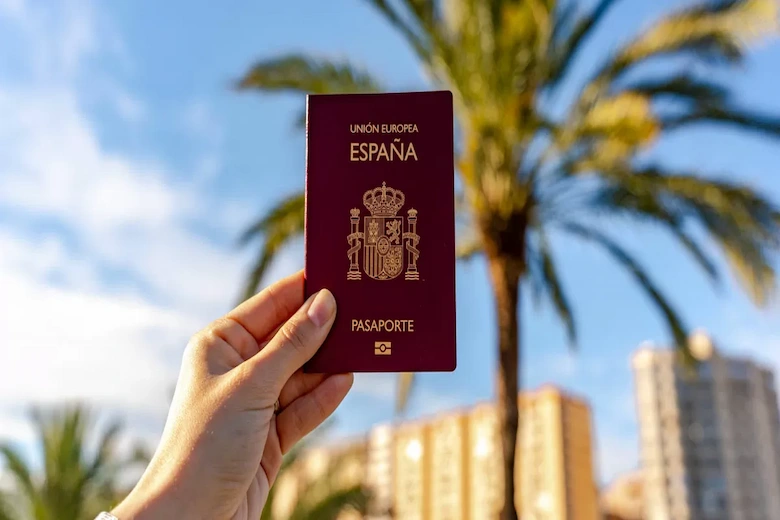
Spain residency is still one of the most attractive European planning topics for families who want lifestyle access, legal residence, education options and long-term mobility in Europe. However, the route now requires more careful planning than before, especially after the end of Spain’s investor visa for new applications. Families should understand the difference between temporary residence, long-term residence and citizenship before choosing Spain as part of a wider Residency and wealth planning strategy.
For Nobility Residency clients, Spain residency should not be viewed as a simple relocation decision. It should be evaluated alongside family goals, tax exposure, documentation readiness, lifestyle expectations, education planning and future European access. Spain may be suitable for families who want a Mediterranean base, but the right route depends on whether the family is financially independent, working remotely, joining a family member, studying, or planning a long-term transition to residence in Spain.
What Is Spain Residency?
Spain residency means a legal status that allows a non-EU national to live in Spain under a specific residence route. It is different from a short-stay Schengen visit, which is usually limited by the 90/180-day rule for many non-EU travelers. A residence route can allow a family to plan daily life, housing, education, healthcare access and long-term presence in Spain, but the rights and obligations depend on the category of residence granted.
In strategic terms, Spain residency sits inside a broader European planning conversation. A family may choose Spain for lifestyle, schools, climate and infrastructure, but it must still distinguish between temporary residence, long-term residence, permanent residence and citizenship. These are not interchangeable terms. For families comparing European Residency routes, Spain can be attractive, but the legal framework must be reviewed before making lifestyle or asset decisions.

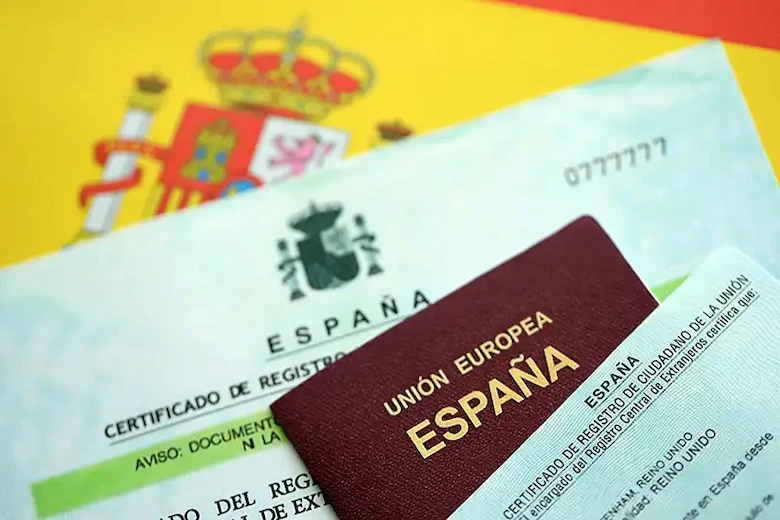
Spain Residency Requirements
Spain residency requirements depend on the selected route, but several document categories appear frequently across residence applications. Families should expect to prepare a valid passport, application forms, proof of financial means, health insurance, criminal record certificates, civil-status documents for dependents, proof of accommodation or address and translated or legalized documents where required. The official Spanish consular pages for non-lucrative residence list items such as application forms, passport, proof of financial means and health insurance among required documents.
The requirements for residency in Spain should be reviewed before a family selects a route or signs a lease, buys a home, changes school plans or prepares a move. Documentation can vary by consulate, country of residence and family composition. For high-net-worth families, it is also important to align the residence file with source-of-funds clarity, family documentation and wealth planning, especially where the move affects tax residency, asset ownership or cross-border obligations.
Main Spain Residency Routes Families Should Know
Spain residency can be approached through different legal routes, and each route serves a different family profile. The best option for one applicant may be unsuitable for another because income type, employment status, family members, location preferences and long-term objectives all matter. Families should first understand which route matches their life structure, then review whether the documents, renewal rules and long-term planning consequences are manageable.
Non-Lucrative Residence Visa
Spain residency through a non-lucrative residence visa may suit families, retirees or financially independent applicants who want to live in Spain without working there. This route is often considered by people seeking European lifestyle, family stability and a slower relocation plan. However, it requires proper evidence of financial means, private health insurance and supporting documentation, and it should be reviewed carefully if the family expects to manage international assets or maintain income streams outside Spain.
Digital Nomad Residency
Spain residency through the digital nomad route can be relevant for remote professionals, entrepreneurs and business owners who work for clients or companies outside Spain using digital systems. The Spanish consular description presents this visa for foreigners planning to live in Spain as residents while working remotely for a company or employer outside Spanish territory, or as self-employed professionals under applicable conditions. For globally mobile families, this route can connect lifestyle planning with modern work patterns.
Work and Skilled Professional Routes
Spain residency may also be relevant for skilled professionals, executives or employees with a valid work-based route. This part of the planning should not be confused with passive residence or investment-based planning, because employment status, employer sponsorship and professional qualifications can change the legal analysis. Families who are comparing Spain with other European talent routes may also need to understand how the Blue Card works in Europe, even when Spain itself is only one possible destination.
Family Reunification
Spain residency through family reunification can matter when one family member already has legal residence in Spain and other eligible relatives want to join them. The Spanish consular information for family reunification refers to an initial family reunification permit issued by the competent authority in Spain as part of the documentation process. This route is especially relevant when residence planning is not only individual, but connected to household continuity, children, parents and long-term family structure.
For families that want a broader educational and household planning discussion, the concept is closely connected to European Residency for Families, because the real question is often not only who can apply today, but how the family can remain legally, practically and emotionally aligned over time. Spain can be attractive for family life, but the right route should be chosen around real family needs rather than a generic visa label.
Student and Long-Term Transition Routes
Spain residency planning can also involve student pathways or education-linked transitions, particularly for families that want a gradual European presence. A student route may not be the same as ordinary residence for every long-term purpose, but it can form part of a broader planning sequence where education, language, integration and future professional options are relevant. Families should understand the limits of each status before assuming that any Spanish visa automatically becomes a permanent residence pathway.
Mallorca Residency and Lifestyle-Based Planning
Spain residency searches often include the phrase Mallorca residency because Mallorca is associated with Mediterranean lifestyle, international schools, coastal living, second homes and a strong European quality-of-life appeal. However, Mallorca residency is not a separate legal visa category. It usually means that a family wants to live in Mallorca while applying through one of Spain’s actual residence routes, such as non-lucrative residence, digital nomad residence, family reunification, or another qualifying pathway.
The important planning point is that Spain residency must separate location preference from legal route selection. A family may prefer Mallorca for lifestyle reasons, but legal eligibility still depends on the residence category, documents, income, insurance, family structure and renewal conditions. This is why a lifestyle-driven move should still be reviewed through legal confidence, especially when property use, schooling and long-term residence expectations are part of the decision.

Spain Permanent Residence and Long-Term Planning
Spain residency can be part of a long-term plan, but families should be careful with terms such as spain permanent residence and permanent visa spain. Many residence routes begin as temporary permission, and long-term or permanent residence usually depends on maintaining legal residence, renewing correctly and meeting the requirements applicable at the time. A permanent visa is not the same thing as a first residence visa, and the language should be precise from the beginning.
For families that are thinking beyond the first approval, Spain residency should be mapped across several years. They should consider renewal conditions, expected time spent in Spain, tax residency consequences, children’s education timelines, healthcare, housing, possible transition to long-term residence and eventual citizenship rules if relevant. This is where Spain becomes part of a strategic planning framework, rather than a one-time visa application.
Spain Citizenship by Investment — A Common Misunderstanding
Spain residency should not be confused with spain citizenship by investment, because Spain does not offer a simple direct citizenship-by-investment route. Even the former investor visa was a residence pathway, not automatic citizenship. Families searching for Spanish citizenship through capital should understand that citizenship is a separate legal status, generally linked to nationality rules, residence history, integration requirements and official approval rather than a direct purchase or immediate investment result.
This is why the internal distinction between residence and Citizenship by Investment is important. Some countries outside the core European Union context may have direct citizenship-by-investment frameworks, while Spain should be approached as a residence and long-term planning jurisdiction. A family can still value Spanish residence highly, but the expected outcome must be legally accurate and aligned with the route actually available.
Spain Residency After the End of the Golden Visa
Spain residency planning changed materially after Spain abolished new investor visa applications. The Spanish Consulate investor visa page states that investor visas would be abolished from 3 April 2025, and another consular page explains that residence visas for investors were abolished as of the entry into force of the relevant provision on that date. This means families should not rely on outdated Golden Visa assumptions when considering Spain today.
The end of the investor visa does not mean Spain residency is no longer relevant. It means the correct route must be chosen from the available pathways, such as non-lucrative residence, digital nomad residence, family reunification, work-based routes or education-linked planning. Families whose main goal is property-backed residence may need to compare Spain with other European options, while those seeking lifestyle or family presence may still find Spain suitable through a different structure.
In this context, an Investment Visa discussion must be handled carefully. Spain’s former investor visa should not be presented as an active new route, but investment-linked residence remains relevant in other European jurisdictions. Families who are evaluating European access should compare the legal route, family inclusion, asset logic and long-term residence objectives before assuming that property ownership in Spain will create residence rights.
Spain Residency as Part of Global Mobility and Wealth Planning
Spain residency can support global mobility when it is placed inside a wider family and wealth strategy. For internationally mobile families, residence in Spain may provide a European lifestyle base, education options, healthcare access, cultural stability and a structured second location. However, residence planning should also be reviewed alongside tax exposure, asset ownership, family governance, inheritance planning and the family’s broader country risk profile.
A strong Spain residency strategy should therefore connect lifestyle with Protect Wealth thinking. The goal is not only to live somewhere pleasant, but to build resilience around the family’s choices. Spain may be attractive for quality of life, but the family should still ask how legal residence, future renewals, tax residence, education, property decisions and international assets fit together before making a commitment.
This is also where Residency and wealth planning becomes important. A family may choose Spain as a lifestyle route, compare Greece for property-backed residence, maintain another base as a backup or use European mobility to support education and business planning. The right structure should reduce uncertainty, not create hidden obligations. Professional review is essential before lifestyle preference becomes a legal and financial decision.
Families reviewing Spain residency should also consider lessons from European Residency Mistakes before applying. The strongest applications are not built on attractive destination marketing alone; they are built on accurate route selection, documented eligibility, family fit, renewal planning and realistic expectations. Spain can be a high-value destination, but the value depends on whether the family chooses the correct legal route and plans beyond the first approval.
FAQ
What are the main Spain residency requirements?
Spain residency requirements vary depending on the selected route, but families should generally prepare a valid passport, application forms, proof of financial means, private health insurance, criminal record certificates, accommodation or address evidence and family documents where dependents are included. Some documents may need translation, apostille or legalization. The exact requirements for residency in Spain should always be checked against the relevant consular or immigration authority before submission.
Is Mallorca residency a separate visa route?
Spain residency in Mallorca is usually a lifestyle and location preference, not a separate visa category. A family may want to live in Mallorca because of climate, schools, quality of life or second-home planning, but the legal route still needs to come through an available Spanish residence pathway. This may include non-lucrative residence, digital nomad residence, family reunification or another qualifying route depending on the family’s profile.
Does Spain offer citizenship by investment?
Spain residency should not be marketed as Spanish citizenship by investment. Spain does not provide a simple direct route where a family invests capital and automatically receives citizenship. Citizenship is a separate legal status and generally depends on Spanish nationality law, residence history, integration and official review. Families should treat the phrase spain citizenship by investment as a search term that requires clarification, not as a promise.
Can Spain residency lead to permanent residence?
Spain residency can potentially support longer-term residence planning when the applicant maintains legal status, renews correctly and meets the relevant conditions over time. However, the phrase permanent visa spain is not the most precise way to describe the process. Families should think in terms of temporary residence, renewals, long-term residence and, if relevant, future citizenship eligibility, each of which must be reviewed under the applicable legal rules.
Final Words
Spain residency remains a strong option for families seeking European lifestyle, family planning, education access and long-term mobility, but the route must be selected with legal precision. After the end of Spain’s investor visa for new applications, families should focus on the routes that actually fit their profile, such as non-lucrative residence, digital nomad residence, family reunification, work-based pathways or education-linked transitions.
Before choosing a European residency route or property-backed program, request a structured review through Nobility Residency’s Residency-Linked Investment Advisory and European Residency & Golden Visa Advisory. A better residency decision begins with the right questions before the investment is made.